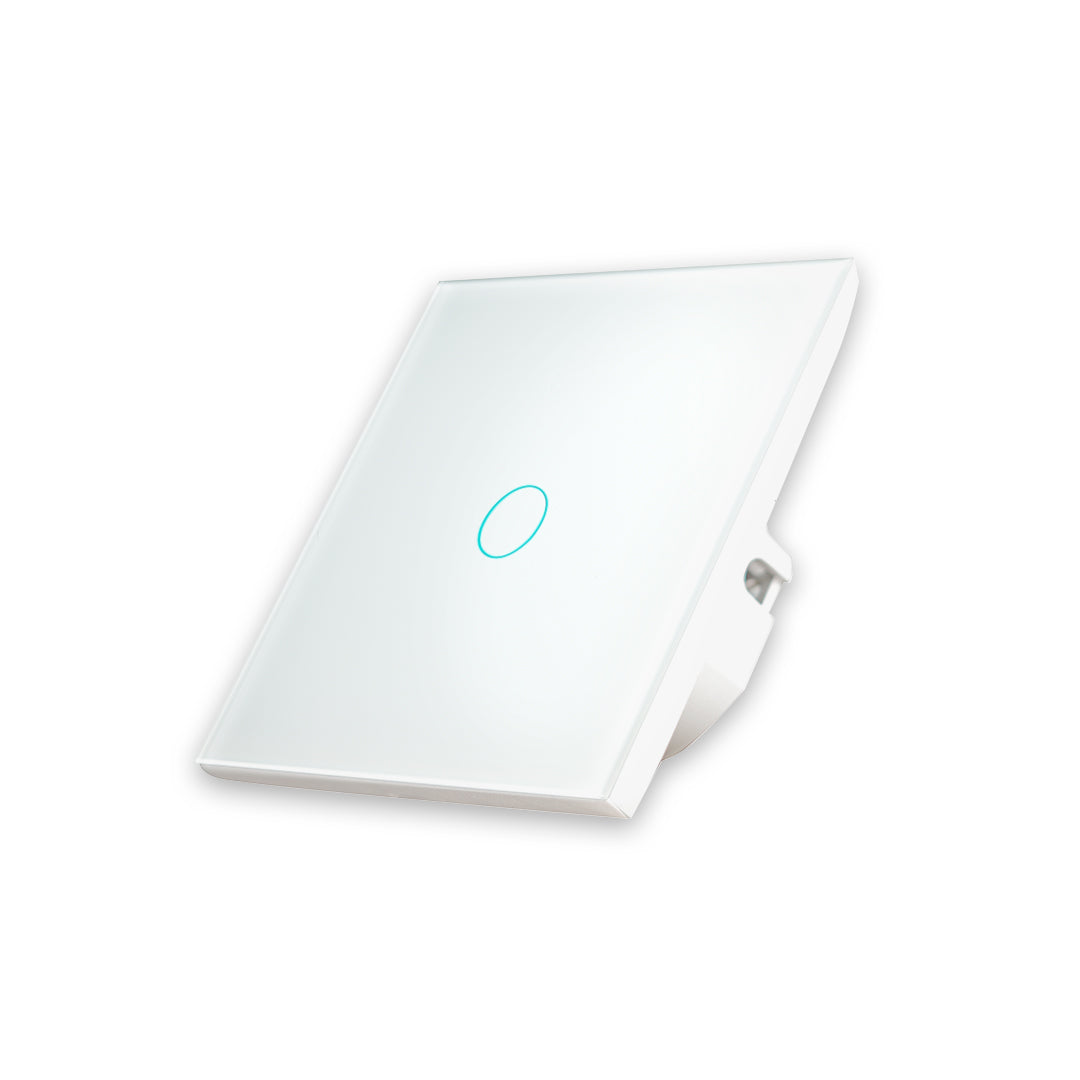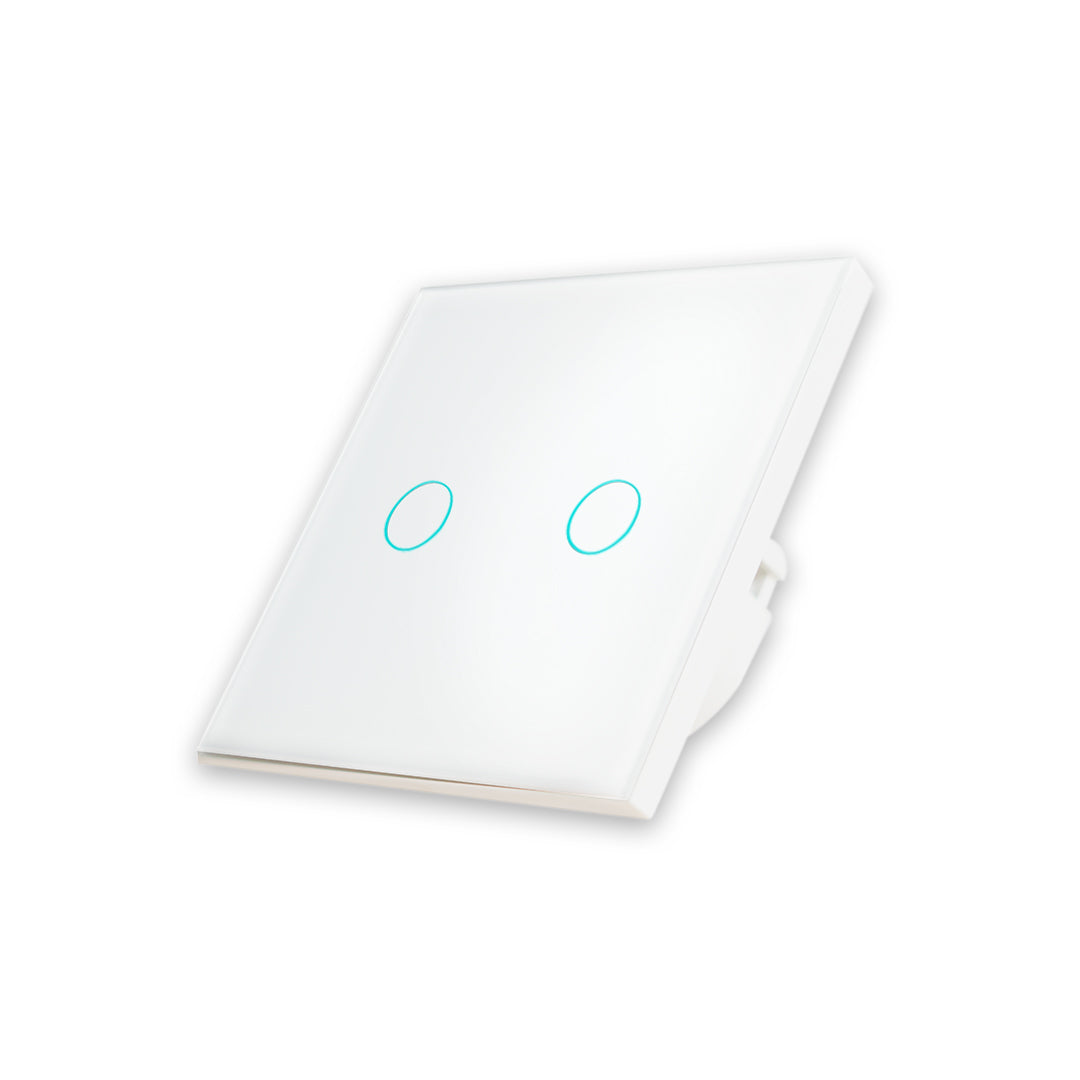
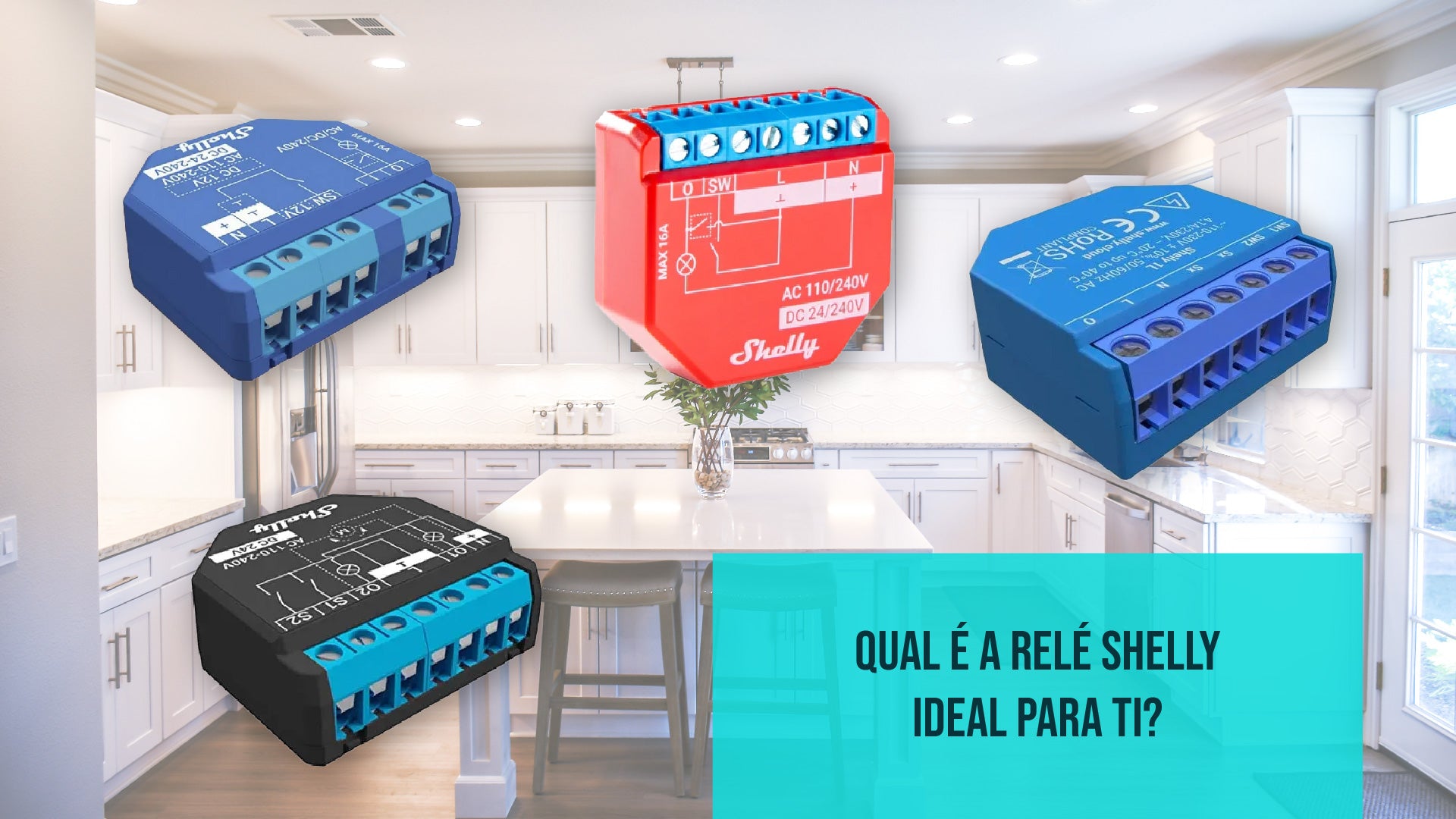
As home automation gains popularity in Portugal, Shelly products are becoming a common presence in many homes.
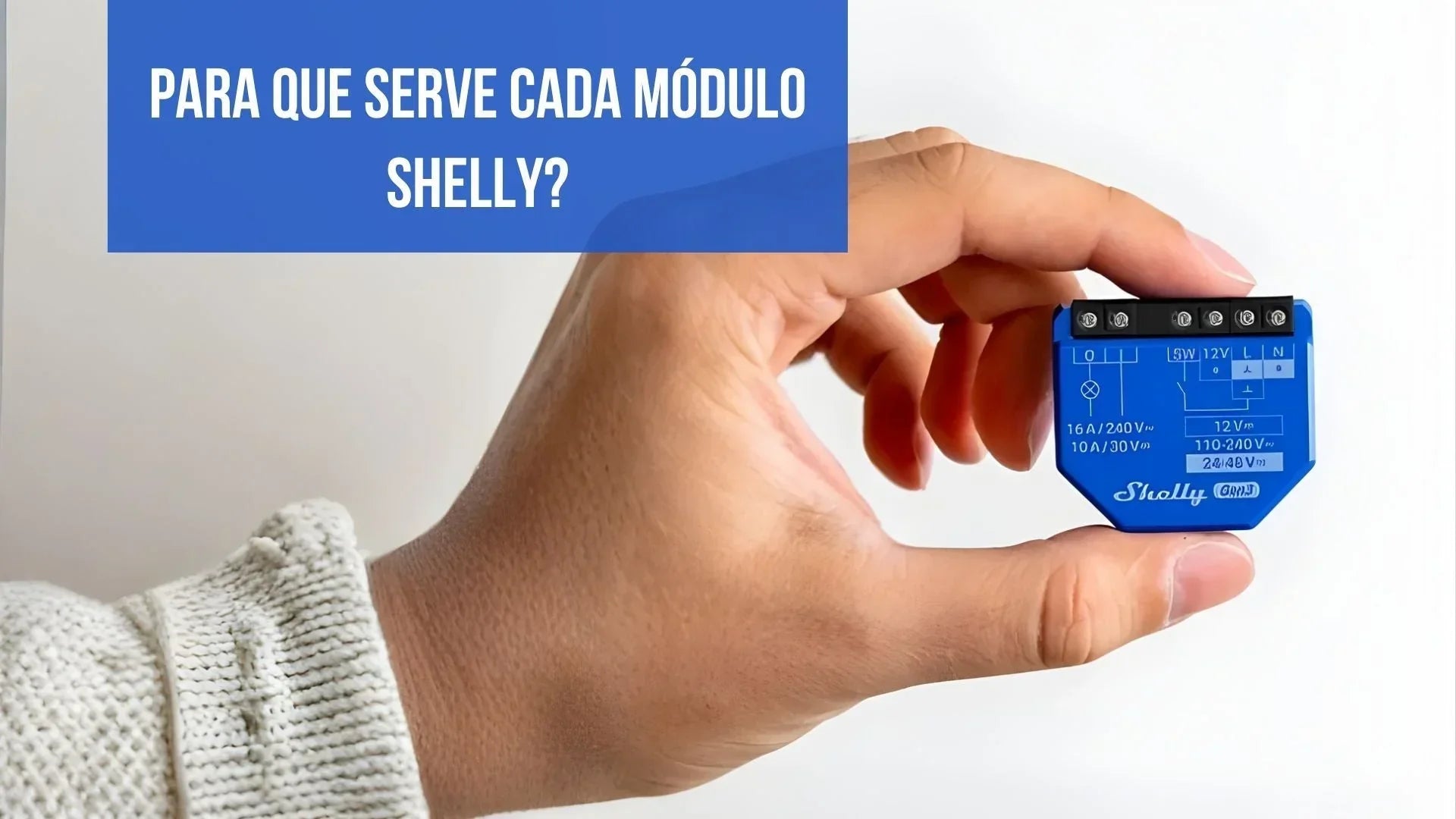
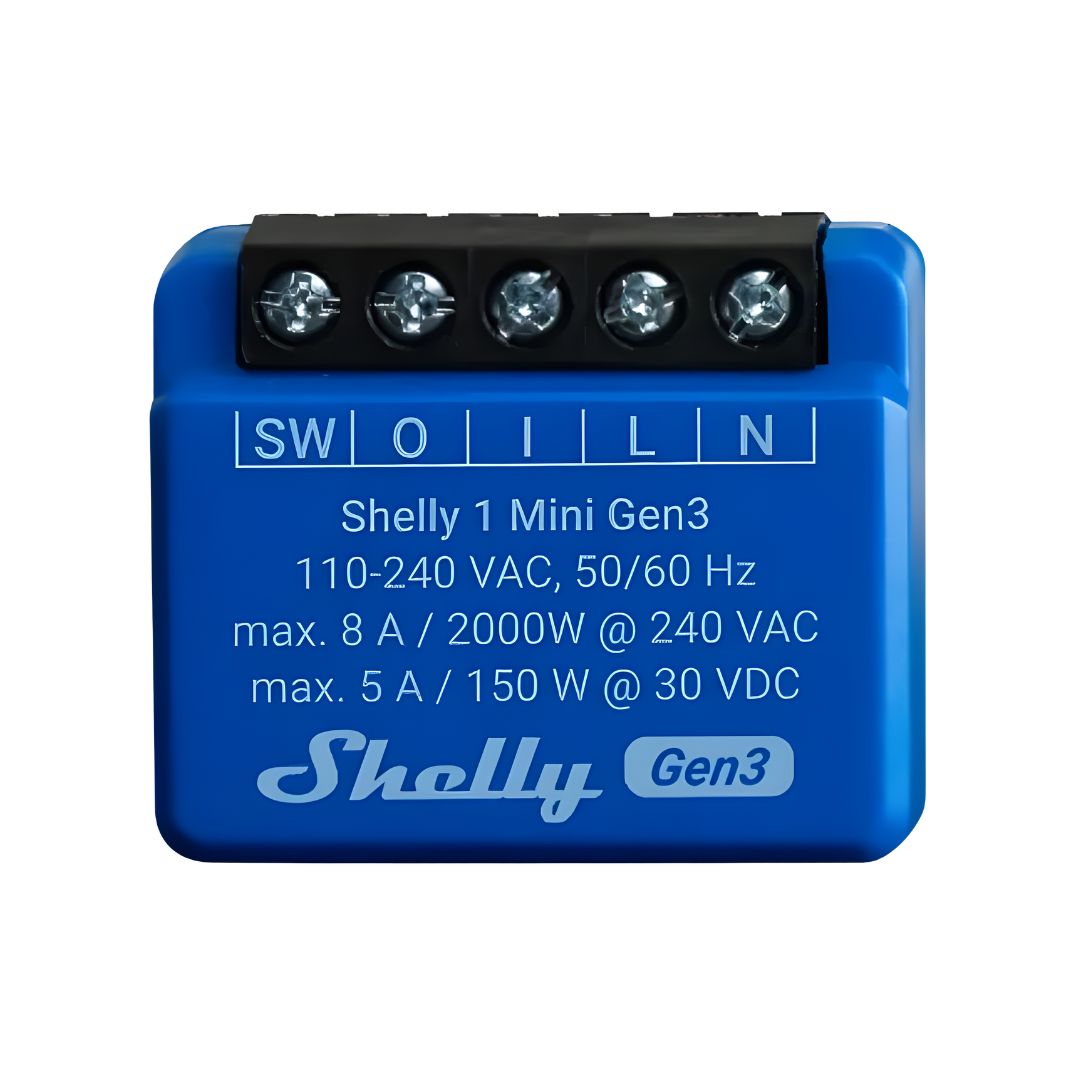
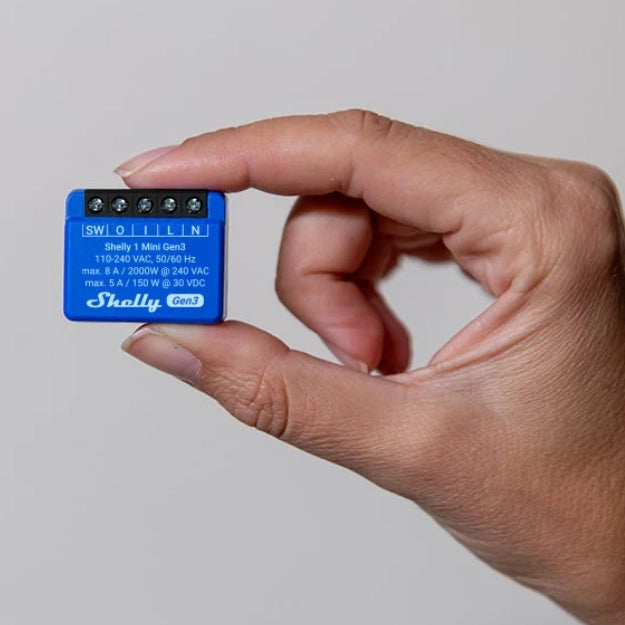
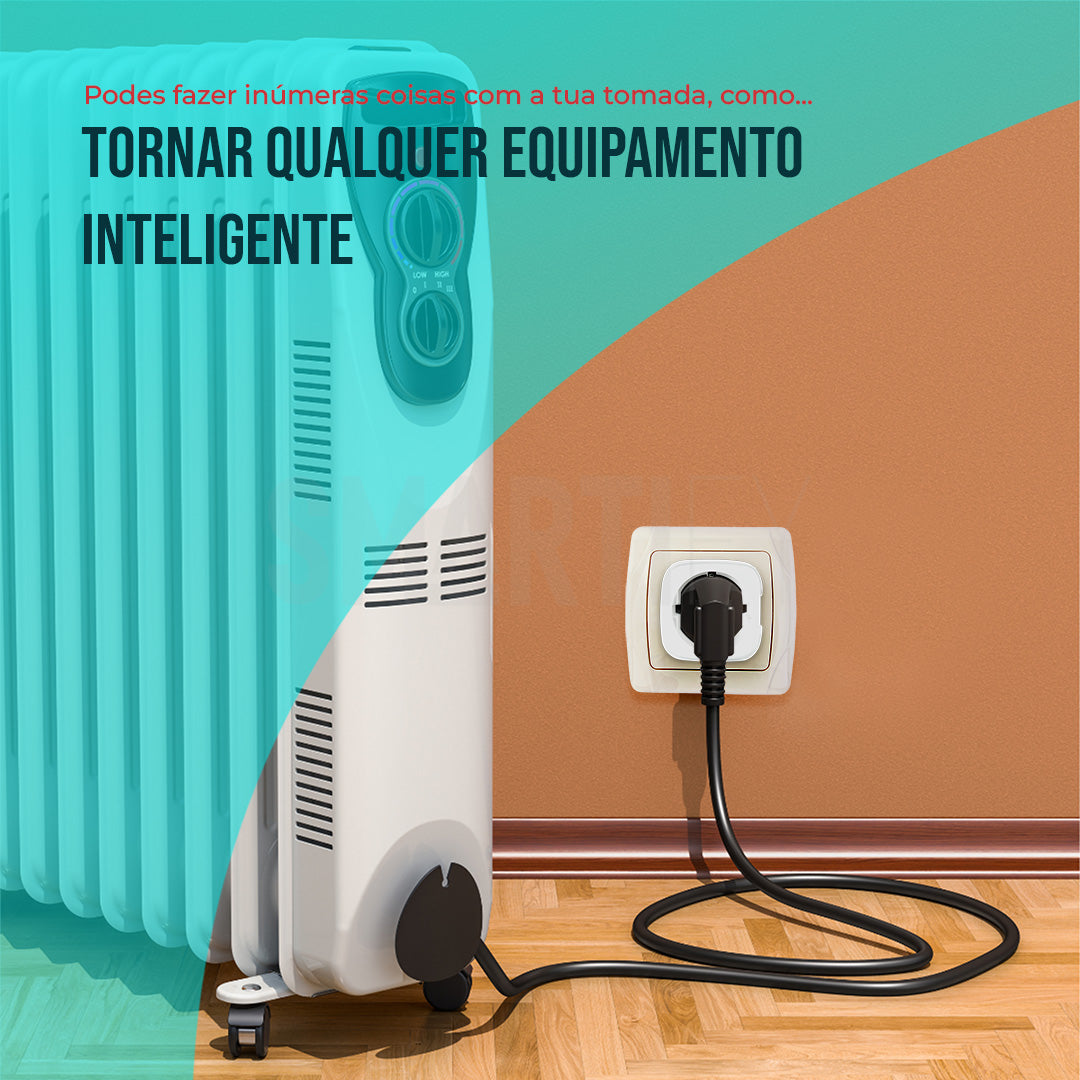
With the growing integration of Shelly devices in residences, home automation has become more accessible than ever. These devices allow you to control lighting, roller shutters, sockets and a variety of other elements through the Shelly Smart Control app (available for both iOS and Android) or with voice commands via virtual assistants. However, this growing popularity raises the question of understanding the specificities of each Shelly device available on the market.

Each Shelly device is designed to perform specific functions, but the diverse range of products can make the choice a challenge. It is crucial to understand the individual characteristics of each Shelly device to ensure it meets your needs for home automation.
Get to know the Shelly Range
Shelly products are notable for their versatility, but this same characteristic can create confusion when choosing the right device. Each Shelly device can perform several functions, which is both an advantage and a challenge at the same time.
With a diverse range of Shelly products, such as the Shelly 1 Plus, Shelly 1L, Shelly 1PM Plus and Shelly 2PM Plus, the choice can be challenging. Product naming is not always self-explanatory, which can make the decision difficult.

But once you understand the differences between each relay, you will realize that it is actually very simple. The Shelly range offers several options for your home automation. Let's analyze each one of them:
Shelly 1 Plus
The Shelly 1 Plus device is incredibly versatile and suitable for a variety of applications. It can be used in simple 1-channel switches, sockets, gates (such as garage doors) and even in intercoms.
One of its main features is the ability for switching between switches, enabling two-way switch (US: 3-way) setups. It requires the presence of a neutral wire, what is important for its correct operation.
The Shelly 1 stands out when used in garage doors due to its dry contact. This means that the current powering it has no connection with the output current, providing a safe and reliable performance.

Furthermore, the Shelly 1 is versatile in terms of power supply, being able to work with low voltage current of 12 volts. It also offers a substantial capacity, supporting up to 16 amperes of electrical current. This robustness makes it suitable for various applications, making it a valuable Shelly device for any home automation system.
Shelly 1L
The device Shelly 1L is designed for applications involving one-button switches (i.e., one channel). One of its main features is that it no neutral required to operate, which can facilitate its installation in many scenarios.
However, it is important to note that in some cases, it may be necessary to install the Shelly BYPASS at the light point, for example, in a light bulb. This is especially relevant when dealing with devices that do not have a minimum load, such as many LED light bulbs.

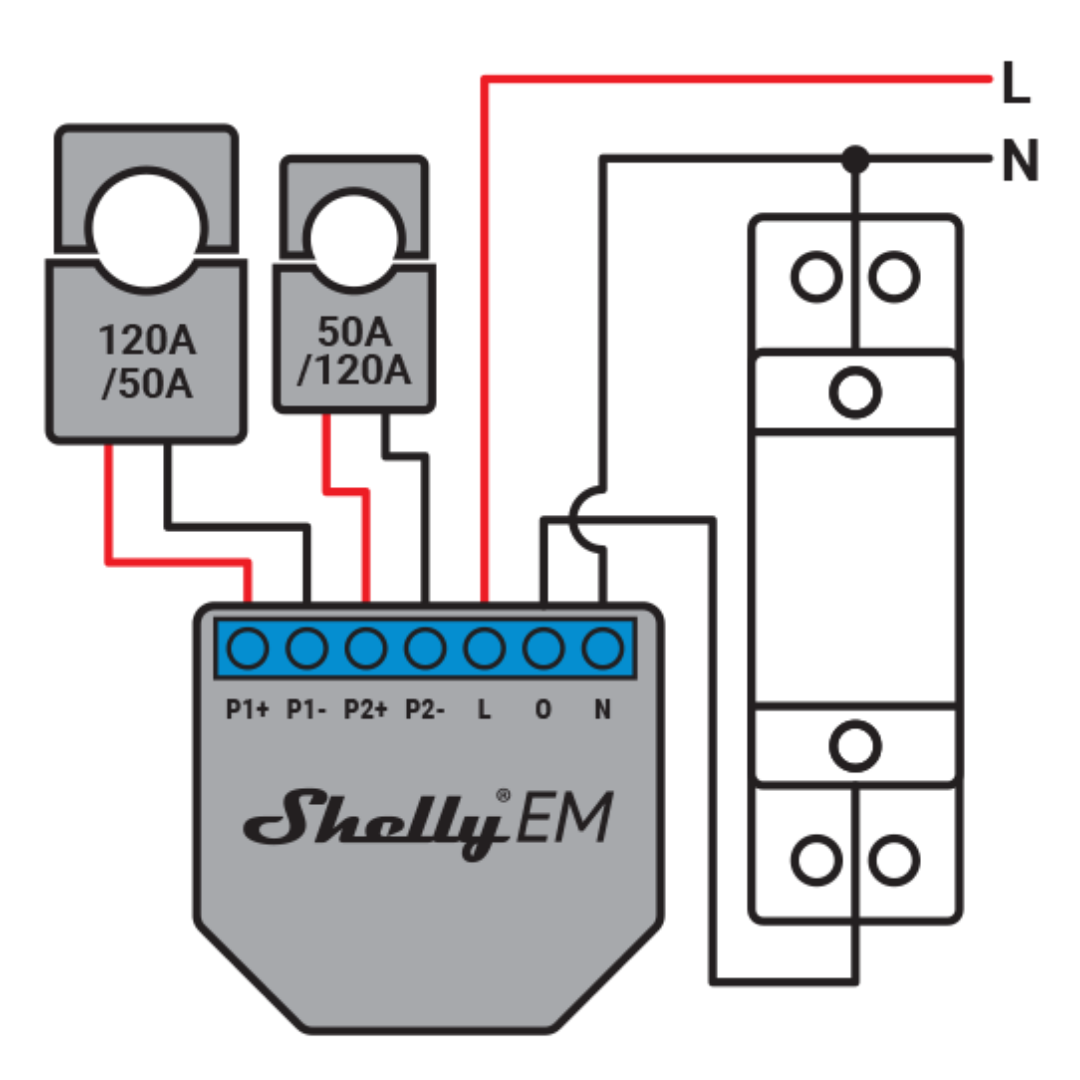
The Shelly 1L offers the ability to measure energy consumption, which can be useful for monitoring energy use in various devices and optimizing energy efficiency at home.
When it comes to load capacity, the Shelly 1L is capable of supporting up to 4 amperes of electrical current. Although it may not be suitable for high-power devices, it is ideal for a wide range of applications, from lighting to other low-power devices. This makes the Shelly 1L a valuable option for incorporating home automation in a convenient and effective way.
Shelly 1PM Plus
The device Shelly 1PM Plus is versatile in terms of where it can be used. It is suitable for single one-channel switches and also for sockets, which gives it a wide range of applications in home automation.
One of the most prominent features of the Shelly 1PM is its ability to measure energy consumption. This means you can monitor the energy use of the devices you control, allowing you to have better control over the electricity consumption at home. This functionality is especially valuable for optimizing energy efficiency and reducing electricity costs.
For the proper functioning of the Shelly 1PM, it is necessary to have a neutral wire available. This is something to consider when planning your installation, as not all installation locations can provide a neutral wire.

A convenient feature of the Shelly 1PM is its ability to be powered with low voltage 24-volt current. This offers flexibility in how it can be integrated into different electrical setups.
In terms of load capacity, the Shelly 1PM can support up to 16 amperes. This makes it suitable for controlling devices that consume more energy, making it a versatile choice for various home automation needs.
Shelly 2PM
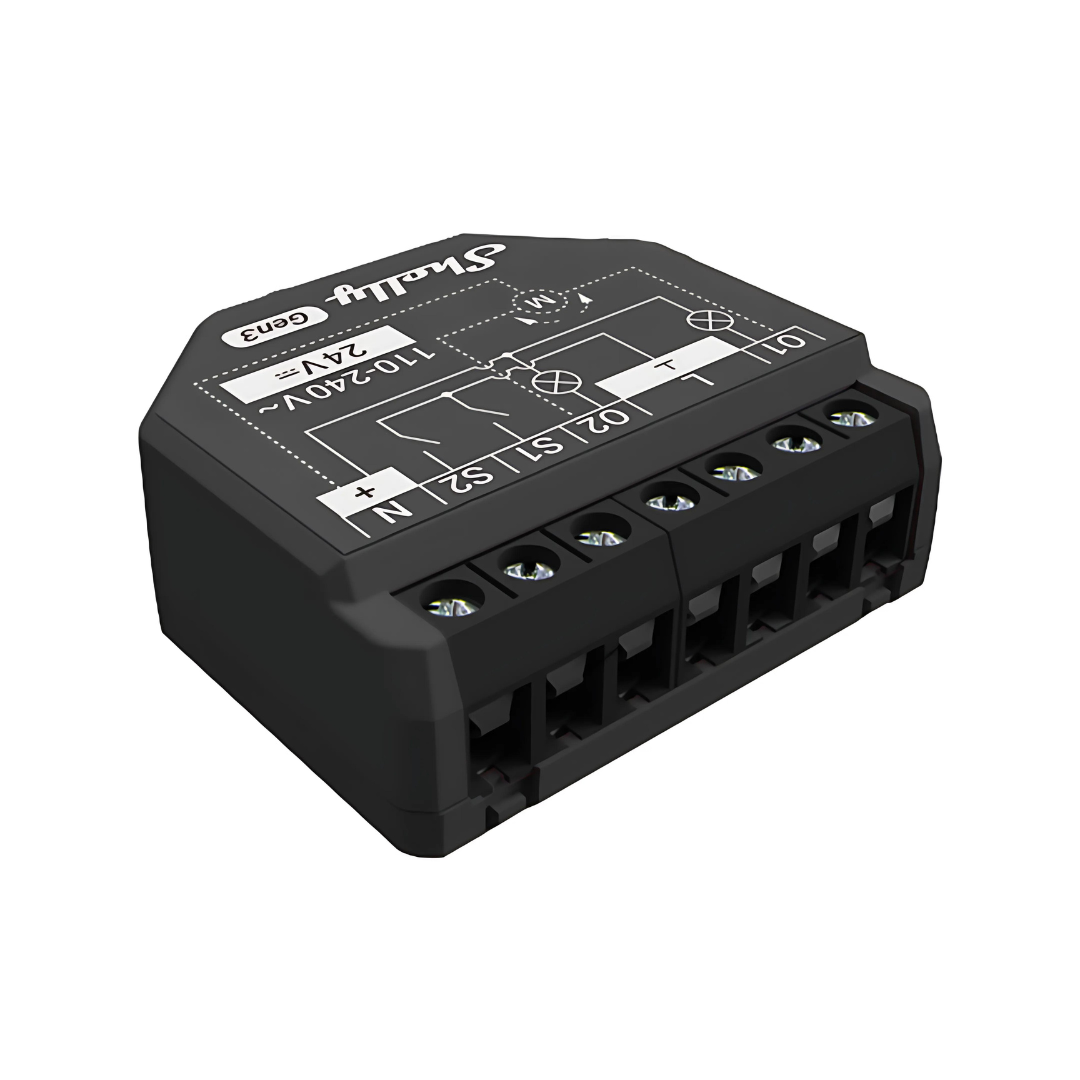
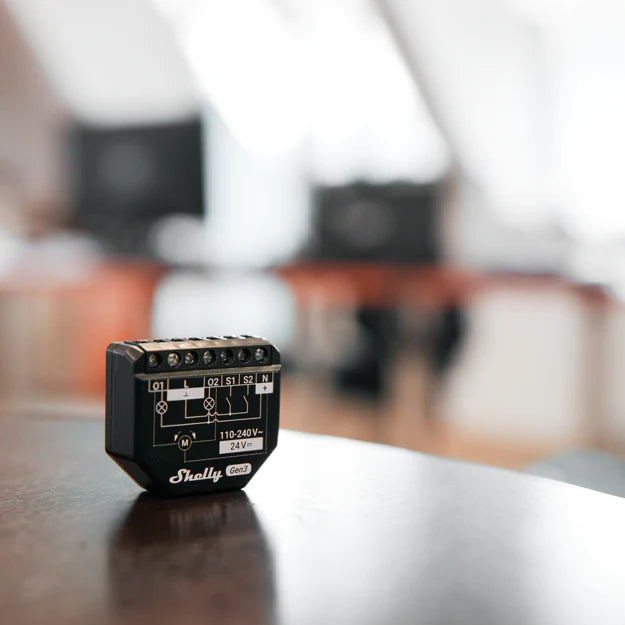
The Shelly 2PM Plus is a versatile device that finds application in various areas of home automation. It is designed to serve as a 2-button or double switch, which means it can control two separate channels. This capability makes it suitable for a variety of scenarios, such as controlling the lighting of different areas or operating roller shutter systems and blinds.
Additionally, the Shelly 2PM is also compatible with roller shutter and blind switches, making it useful in the automation of these elements at home. For those who wish to control smart plugs, the Shelly 2PM is a convenient choice, as it offers flexibility and versatility in different configurations.
An important feature of the Shelly 2PM is that it requires the presence of a neutral wire to function correctly. Make sure that the location where you want to install it has a neutral wire available.

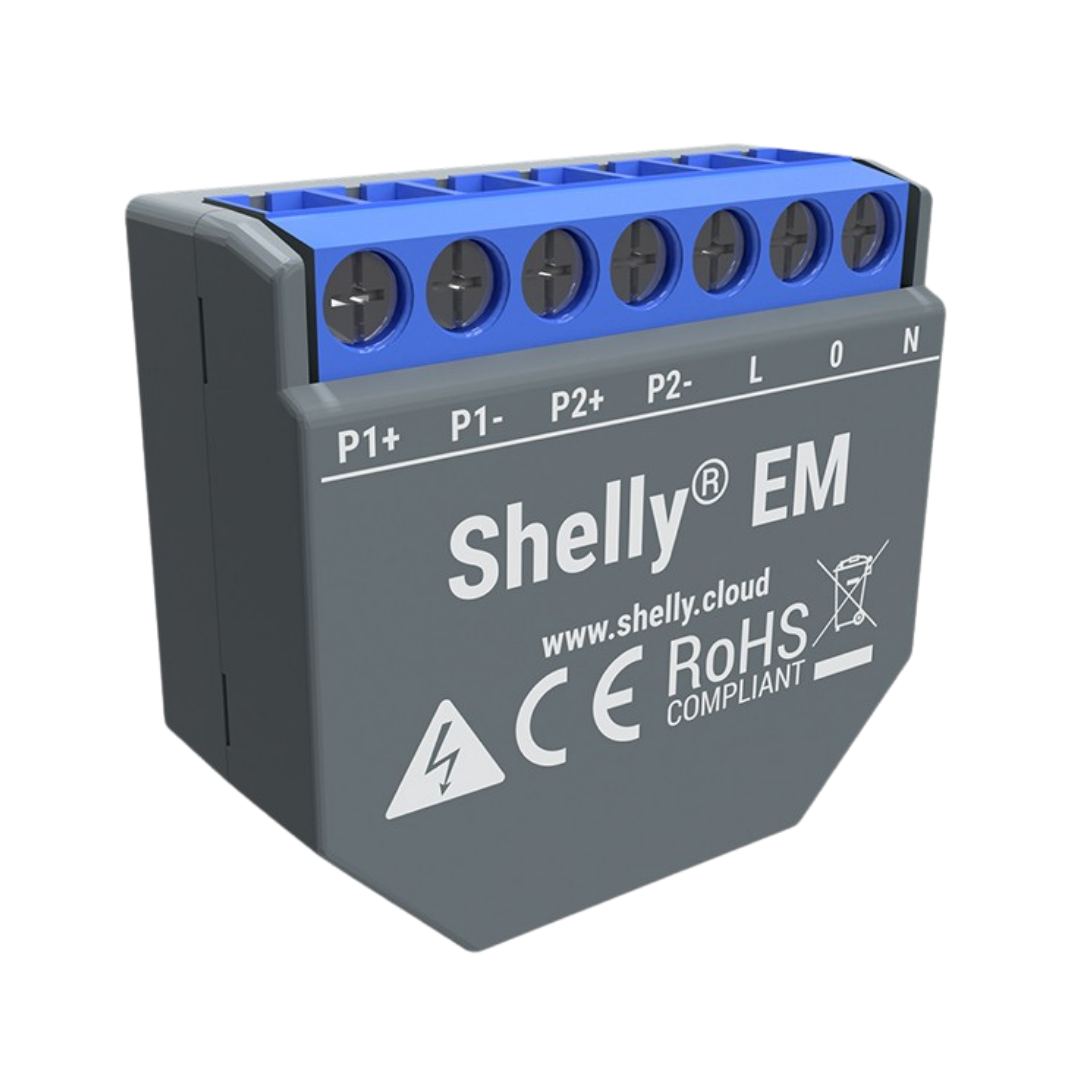
Another advantage of the Shelly 2PM is the ability to measure energy consumption. This allows you to monitor the electricity use of the controlled devices, helping you make informed decisions about energy efficiency and energy savings at home.
Regarding load capacity, the Shelly 2PM can support up to 10 amperes, making it suitable for a variety of devices and applications. Its flexibility and dual control capability make it a valuable option in home automation.
How to choose the Right Shelly Device for you
To avoid confusion, it is useful to consider the specific application that you have in mind. Questions such as whether you want to monitor energy consumption, control roller shutters or simply turn lights on and off can guide your choice.
Your choice between the Shelly 1, Shelly 1L, Shelly 1PM and Shelly 2PM will depend on your specific needs. Here are some final considerations:
-
Simplicity vs. Customization: If you want something simple and direct, the Shelly 1L is a good choice, especially if you don't have a neutral cable available. For greater customization and additional features, the Shelly 1 and Shelly 1PM are excellent options.
-
Energy Consumption Measurement: If measuring energy consumption is important to you, both the Shelly 1PM and Shelly 2.5 offer this functionality.
-
Required Amperage: Make sure to choose a Shelly device that supports the required amperage for your devices.
-
Compatibility with Your Smart Home: Remember to check if the chosen Shelly device is compatible with the other devices in your smart home.

Now that you know the characteristics of each Shelly device, you are better equipped to decide which one is the most suitable for your smart home. If you have additional questions or need guidance on installation and configuration, don't hesitate to ask. Your smart home is ready to receive a touch of automation with Shelly devices.
We are here for you!
Any other questions about home automation and other smart devices? Get in touch with us now and we will be happy to clarify all your questions about home automation.
Now, you are one step further towards having a smart home fully customized according to your preferences.